Therapy in English, Italian & French.
In Milan & online.
I am a Psychologist,
Psychotherapist in Training, Sexuality Consultant,
Registered in Ordine degli Psicologi della Lombardia (n. 32140).
I follow a person-centred and expat-sensitive approach.
Areas of practice

Anxiety and Panic
Anxiety is a natural and often helpful response. It alerts us to potential danger and signals that we need to pay attention. In this sense, anxiety is adaptive: it helps us prepare, focus, and protect ourselves. However, anxiety can sometimes become overwhelming. It may arise even when there is no real threat, or it may feel disproportionately intense compared to the situation. When this happens, anxiety can begin to interfere with daily life. It can show up as persistent and intrusive worries, rumination, or racing thoughts. For some people, it takes the opposite form: a sense of numbness, lightheadedness, or mental fog. Physical symptoms are also common and may include palpitations, shortness of breath, trembling, sweating, and a general sense of restlessness or agitation. Panic attacks are a more acute experience. They involve a sudden surge of intense physical symptoms, such as a rapid heartbeat, difficulty breathing, chest pain or tightness, and dizziness, accompanied by an overwhelming fear of losing control, “going crazy,” or dying. Many people also report feelings of unreality or a sense of being detached from their body. If anxiety is limiting your daily life, psychological counseling can help. Together, we can explore its underlying causes, develop strategies to manage the symptoms, and reduce its impact, so that anxiety no longer dictates how you live your life.

Relationship Difficulties
Relationships are a central part of our lives. They can offer connection, support, and meaning—but they can also become a source of conflict, misunderstanding, and emotional pain. Difficulties in relationships can arise in many contexts: romantic partnerships, friendships, family relationships, as well as social or work environments. These challenges may show up as recurring conflicts, communication problems, fear of intimacy, emotional dependency, withdrawal, or a pattern of unsatisfying or unfulfilling relationships. Sometimes we find ourselves repeating the same dynamics without fully understanding why. Old patterns, unmet needs, or unspoken expectations can quietly shape how we relate to others. Psychological counseling can help you explore these patterns more deeply, strengthen your communication skills, and develop healthier, more balanced ways of relating. Over time, this work can support the creation of relationships that feel more authentic, stable, and satisfying.

Depression
We all experience shifts in our mood. Periods of energy, motivation, and optimism naturally alternate with moments of fatigue, discouragement, or sadness. These fluctuations are part of being human. In mood disorders such as depression, however, the emotional state remains persistently altered, often regardless of what is happening externally. The low mood does not simply pass with time or improve when circumstances change. Depression may present as deep sadness or a pervasive sense of emptiness, a loss of interest or pleasure in activities that once felt meaningful, changes in sleep or appetite, difficulty concentrating, harsh self-criticism, and feelings of guilt or worthlessness. In some cases, it can also involve recurrent thoughts of death or suicide. These symptoms can make it extremely difficult to work, maintain relationships, or manage even simple daily tasks. Depression is often accompanied by an intense sense of loneliness and hopelessness, as though there is no way forward. As powerful as this feeling may be, it is often part of the depressive process itself—a cognitive distortion that narrows perspective and limits the ability to see alternatives. With appropriate psychological support, it is possible to gradually regain clarity, restore a sense of connection and hope, and rediscover new possibilities for your life.

Burnout and Stress
Stress is a natural response to the demands and pressures of daily life. In the short term, it can even be helpful, mobilizing our energy and focus. However, when stress becomes chronic or overwhelming, it can significantly affect both psychological and physical well-being. Burnout is a state of emotional, mental, and physical exhaustion that is often work-related, though it can also arise from other long-term pressures or responsibilities. It tends to develop gradually, after prolonged exposure to high demands without sufficient recovery or support. People experiencing burnout may notice persistent fatigue, increased irritability, emotional detachment, reduced motivation, and a growing sense of inefficacy or dissatisfaction. Sleep disturbances and physical symptoms, such as headaches, muscle tension, or gastrointestinal discomfort, are also common. Psychological counseling can help you recognize early warning signs, identify the sources of ongoing stress, and better understand your own limits and needs. Together, we can work toward developing more sustainable ways of coping, restoring balance, protecting your energy, and reconnecting with a sense of meaning and effectiveness.

Self-Esteem, Assertiveness and Personal Growth
Self-esteem refers to the value and respect we attribute to ourselves, while assertiveness is the ability to express our needs, thoughts, and emotions in an authentic and respectful way. When we struggle in these areas, we may experience insecurity, fear of judgment, difficulty setting boundaries, or a tendency to minimize our own needs and achievements. Low self-esteem can quietly influence many aspects of life, shaping relationships, career choices, and the way we respond to challenges. A lack of assertiveness, in turn, can lead to frustration, resentment, or feeling unheard and overlooked. Psychological counselling can help you deepen your self-awareness, recognize your strengths and internal resources, and clarify your values. From there, it becomes easier to make choices that are more aligned with who you are and what truly matters to you, enhancing both the quality of your relationships and your overall sense of well-being.

Psychosomatic Disorders and Insomnia
Emotional distress, chronic stress, or emotions that remain unexpressed can sometimes find their way into the body—especially when they cannot be processed or articulated in other ways. This may result in physical symptoms, even severe or disabling ones, which persist despite appropriate medical evaluation and the absence of identifiable organic causes. These symptoms can affect different bodily systems. Gastrointestinal complaints may include nausea, gastritis, reflux, diarrhea, or irritable bowel syndrome. Cardiovascular symptoms can involve tachycardia or fainting episodes. Skin conditions such as acne, dermatitis, or hives may flare up, while neuromuscular issues can present as headaches, back pain, or generalized muscle tension. Sleep disturbances are also common, including difficulty falling asleep, frequent awakenings during the night, or waking up feeling unrefreshed. Once medical causes have been carefully ruled out, psychological counselling can help explore the emotional and relational factors that may be contributing to the persistence of these symptoms. By addressing underlying stressors and unprocessed experiences, it is often possible to reduce physical distress and restore a greater sense of balance and well-being.

Grief
Grief is the natural response to the death of a loved one and represents a complex and deeply subjective emotional process. While each experience is unique, the grieving process often goes through several stages, such as initial shock, denial, anger, profound sadness, and, gradually, acceptance of the loss. These stages are not linear and can alternate over time. During grief, intense emotions such as pain, nostalgia, emptiness, guilt, or anger may emerge. Difficulty concentrating, sleep disturbances, and withdrawal from social relationships may also occur. In some cases, grief can become so pervasive that it hinders the recovery of daily life. Psychological counseling can offer a safe space in which to voice one's suffering, integrate the loss into one's history, and gradually regain balance, without denying the connection with the deceased.

Moments of Crisis
Sexual Dysfunctions
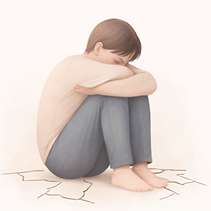
Throughout life, moments of crisis may arise due to sudden events or significant changes, such as separations, work difficulties, illnesses, or important decisions. During these phases, usual strategies may no longer be sufficient, leading to disorientation and a sense of loss of control. The crisis may manifest itself as anxiety, sadness, irritability, difficulty making decisions, or a feeling of immobility. While these experiences are challenging, they are not necessarily pathological and can represent a transitional phase. Psychological counseling can help understand what is happening and identify new resources and directions.
Sexual difficulties can take different forms, including reduced or absent sexual desire, problems with arousal (such as erectile difficulties), premature ejaculation, pain during penetration, or challenges related to orgasm, including anorgasmia. When experiencing sexual concerns, it is important to first consult a medical professional, such as a gynecologist or urologist, to rule out possible organic or physiological causes. Once appropriate medical evaluations have been completed and no physical factors are identified, psychological aspects can be explored. Psychological counselling in this area focuses on the individual’s subjective experience. Together, we explore emotions, bodily sensations, self-image, relational dynamics, and personal beliefs about sexuality. Rigid beliefs, taboos, gender stereotypes, or performance-related expectations can all influence sexual functioning. Everyday stress, mood difficulties, and challenges within romantic or sexual relationships may also play a significant role. Within the therapeutic process, we work collaboratively to better understand the underlying factors contributing to the difficulty and to develop tailored strategies to address them. Over time, this can support a more conscious, balanced, and fulfilling relationship with one’s sexuality.